Buyers often ask for “monk fruit extract” the way they ask for “activated charcoal” — as if one grade covered the category. It does not. The commercial variable that matters most is Mogroside V assay, usually sold at roughly 25%, 50% and 80%+ by HPLC. Seven points below will get the grade, the dose and the documentation right before the first production run.
1. What is Mogroside V actually measuring?
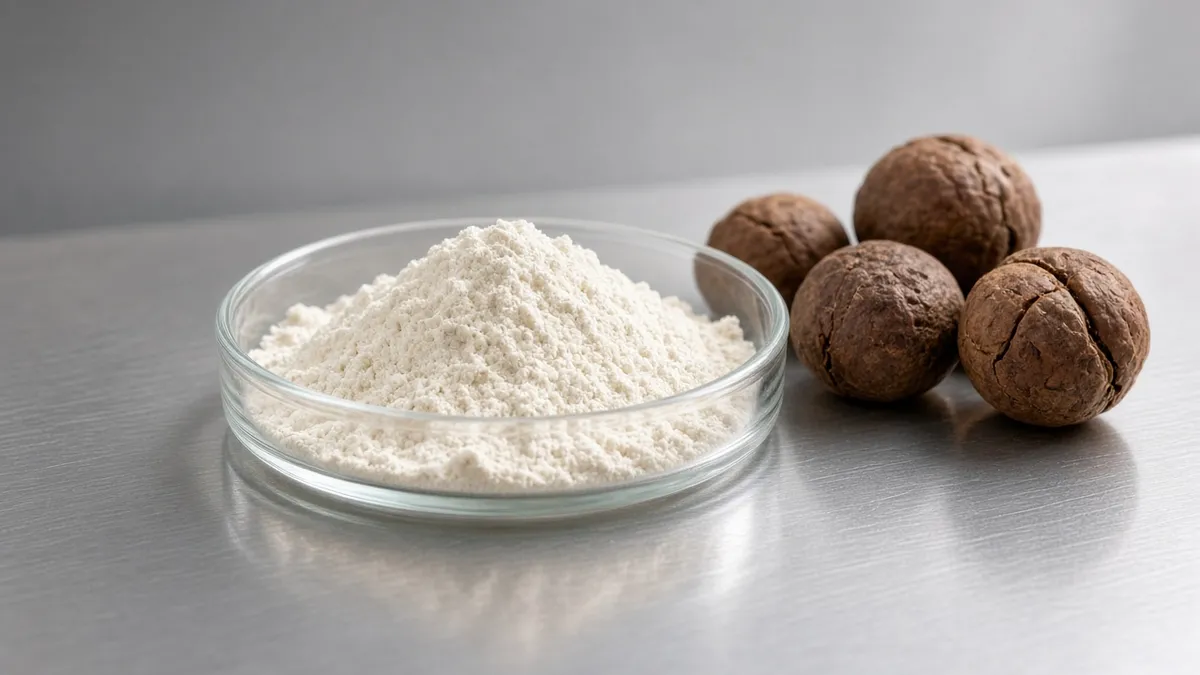
Monk fruit (*Siraitia grosvenorii*, luo han guo) sweetness comes from mogrosides. Mogroside V is the dominant sweet mogroside and the assay most suppliers standardise to. A “50% Mogroside V” label means at least half the powder, by HPLC, is Mogroside V — not that the product is 50% “monk fruit” in a botanical sense.
Always read the COA line for Mogroside V by HPLC. A marketing claim without a lot-specific assay is not a specification.
2. Why 50% is the commercial default
50% Mogroside V is the workhorse grade for most US supplement and functional-food work. Relative sweetness is typically about 150–250× sucrose, which is enough intensity for beverages, protein powders and table-top blends without forcing extreme dilution ratios.
It is also the grade most buyers already have validated documentation for, which shortens change control when you switch suppliers — provided the COA, mesh and sensory profile still match.
3. When 25% makes sense (and when it does not)
Lower assay grades cost less per kilogram but deliver less sweetness per kilogram. You use more powder to hit the same sweetness unit, which can matter for:
- Cost-sensitive bulk blends where carrier volume is acceptable
- Applications that need a milder titration curve
- Situations where a cheaper grade still passes your sensory panel at the higher use rate
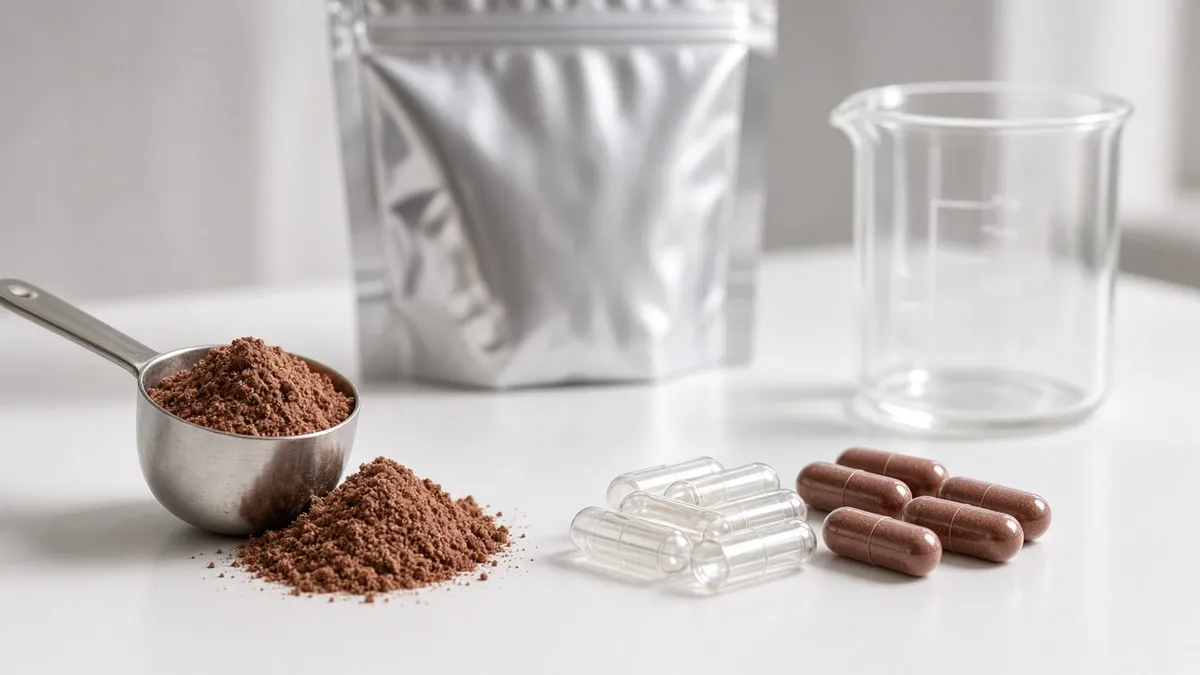
It fails when volume is constrained (tight capsule fills, high-intensity RTDs) or when you compare only on price/kg and ignore cost per unit of delivered sweetness.
4. When 80%+ is worth the premium
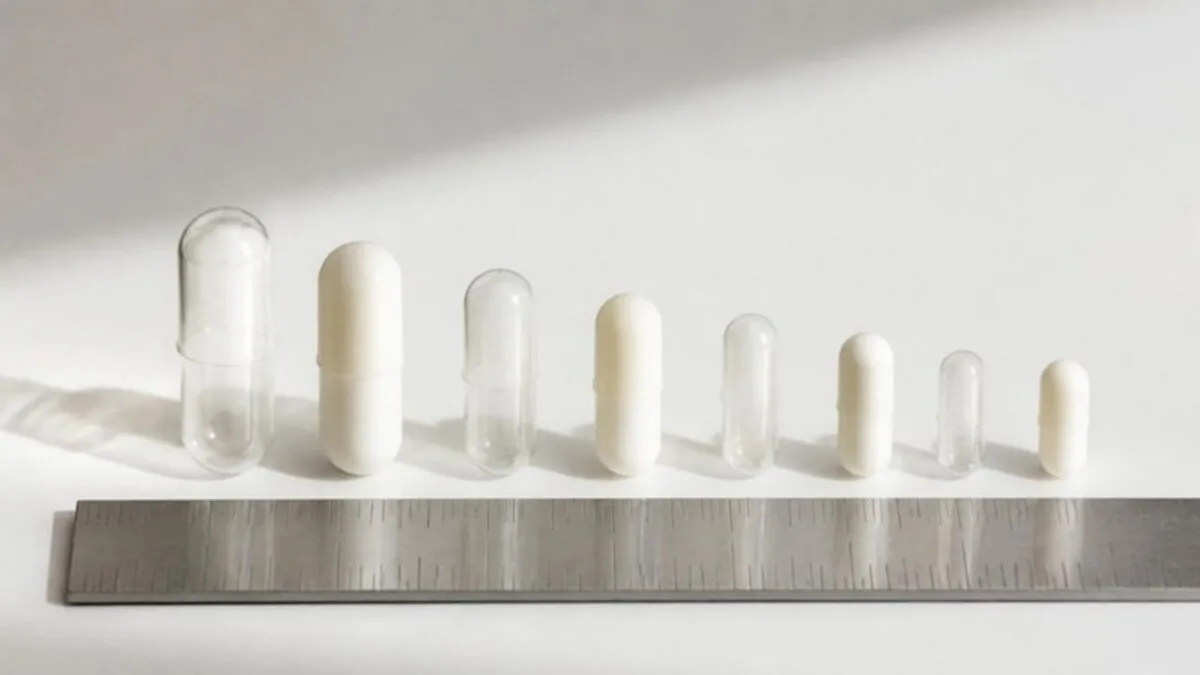
High-assay grades exist for formulas with severe space or solids constraints — highly concentrated drops, small stick packs, or systems where every gram of sweetener displaces an active. You buy fewer kilograms for the same sweetness, but pay more per kilogram and usually face longer lead times and higher MOQs.
If your formula has room for a 50% grade plus a bulking partner (allulose or erythritol), paying for 80%+ rarely improves taste. It only shrinks the sweetener mass.
5. Cost-in-use beats cost-per-kilo
Comparing monk fruit grades — or monk fruit vs stevia — on price per kilogram is meaningless. Calculate cost per unit of delivered sweetness in *your* formula:
- Target sweetness vs sucrose
- Relative sweetness of the grade
- Use rate required
- Landed cost at that use rate
A “cheaper” 25% grade can cost more in finished goods than a 50% grade if the extra powder forces packaging, flow or sensory fixes. Put the comparison in the tech pack, not in the purchasing spreadsheet alone.
6. Pair with bulk — monk fruit is not a sugar replacement by itself
Like stevia, monk fruit is high-intensity and supplies essentially no bulk. In powders, bakery and frozen systems it is almost always paired with allulose (for bulk and browning) or erythritol (for bulk and cooling). That pairing also softens the slight lingering finish some panels notice at high monk fruit doses.
If you need one-to-one sugar replacement behaviour, start with an allulose + monk fruit system rather than monk fruit alone. We hold both and can blend to a specified ratio.
7. What to lock on the PO and the COA
Before you approve a lot for production, lock:
- Mogroside V assay method and minimum (e.g. ≥ 50% HPLC)
- Appearance, mesh, loss on drying, ash
- Heavy metals and micro limits that match your finished-goods spec
- Allergen / GMO / Kosher / Halal statements your label needs
- Lot traceability and a sample retained against the first approved lot
Sensory should be checked against your reference. Assay match alone does not guarantee identical taste if residual mogroside profile or carriers differ.
Practical shortlist
- Decide whether the bottleneck is cost, space or taste
- Pick assay (25% / 50% / 80%+) for that bottleneck
- Calculate cost per sweetness unit, not per kg
- Decide the bulking partner (allulose, erythritol, or none for beverages)
- Write Mogroside V ≥ X% HPLC into the purchase spec
- Approve a retain sample before the first full order
- Keep the next lot matched to that retain
What Zenith supplies
We supply monk fruit extract standardised to 50% Mogroside V as a core US-stocked sweetener line, alongside crystalline allulose and a monk fruit–allulose blend for one-to-one sugar-replacement work. Typical documentation includes a lot-specific COA (assay by HPLC, moisture, ash, heavy metals, micro), SDS, allergen/GMO statements and Kosher/Halal certificates where applicable.
Send your target sweetness, dose form and any current COA. We will confirm grade, use-rate maths and a sample against the agreed spec before you commit to bottles and labels.
Product: Monk Fruit Extract Powder (Mogroside V 50%) Blend: Monk Fruit & Allulose Sweetener Blend Quote / sample: Request a quote
Related questions
Is 50% Mogroside V better than 25%?
Better for most commercial formulas, yes — higher intensity per kilogram and a cleaner path to target sweetness. 25% can win on landed $/kg when you have room for higher use rates and have checked cost-in-use.
Does a higher Mogroside V percentage taste sweeter per scoop?
Yes, roughly in proportion to assay, though sensory is not perfectly linear and residual mogrosides / carriers still matter. Always titrate in your matrix.
Should I use monk fruit alone or blend it with allulose?
Alone works in many beverages. In bakery, powders and frozen systems, blend with allulose (or another bulking partner) unless you have another bulk source. Blends usually taste better at sugar-parity sweetness.
What should the COA show for monk fruit extract?
At minimum: Mogroside V by HPLC, appearance, loss on drying, ash, heavy metals, microbial limits, and identity consistent with *Siraitia grosvenorii* extract — plus the allergen/GMO/religious certificates your market requires.
East Coast stock: For a named Ronkonkoma warehouse, 5 kg Mogroside V 50% MOQ and the docs that should clear QA before PO, see East Coast monk fruit stock — 5 kg MOQ from Ronkonkoma, NY.